
Introduction
You've booked the venue, sent the invitations, and now comes one of the most important decisions: how will your guests be fed?
The food service style you choose shapes guest interaction, controls event timing, sets the formality level, and directly impacts your budget. According to meeting planner surveys, food and beverage is the single-largest expense for 65% of event organizers, so the format you pick matters as much as the menu.
This guide compares buffet, plated, and family-style service so Louisville-area hosts can match the right format to their gathering. Whether you're planning a corporate luncheon, wedding reception, or holiday celebration, you'll see how each style affects cost, guest experience, and event flow.
Key Takeaways
- Buffets win on variety and lower labor costs for casual to semi-formal events with 50+ guests
- Choose plated service when elegance and predictable timing matter—formal nights or tight program schedules
- Family-style builds intimacy and conversation when guest interaction is the priority
- Weigh cost, staffing, and timing differences before you lock a format; they drive budget and flow
- Mix styles in a hybrid setup to balance formality, spend, and guest experience
Buffet vs. Plated vs. Family-Style: Quick Comparison
| Dimension | Buffet | Plated | Family-Style |
|---|---|---|---|
| Cost | Most economical per guest; lower staff costs but higher food quantities needed | Typically highest labor cost (1 server per 15 guests); tighter portion control | Mid-range; moderate staff and equipment needs |
| Formality Level | Casual to semi-formal; can be elevated with stations and chef interaction | Most formal; fine-dining presentation and individual attention | Semi-formal; intimate and communal without being casual |
| Guest Interaction | High; encourages mingling and movement during service | Low; guests remain seated throughout meal | High; passing dishes naturally sparks conversation |
| Service Speed | Variable; depends on line efficiency and guest traffic | Most controlled; courses delivered on schedule | Moderate; all tables must be served simultaneously |
| Ideal Guest Count | 50–200+; works well for large groups | Any size; especially efficient under 100 | 20–150; requires coordination across multiple tables |
| Staff Requirements | Fewer servers (1 per 30–40 guests); may require chefs for action stations | More servers (1 per 15 guests); synchronized delivery | Moderate; staff deliver, clear, and replace shared platters |

What is Buffet-Style Service?
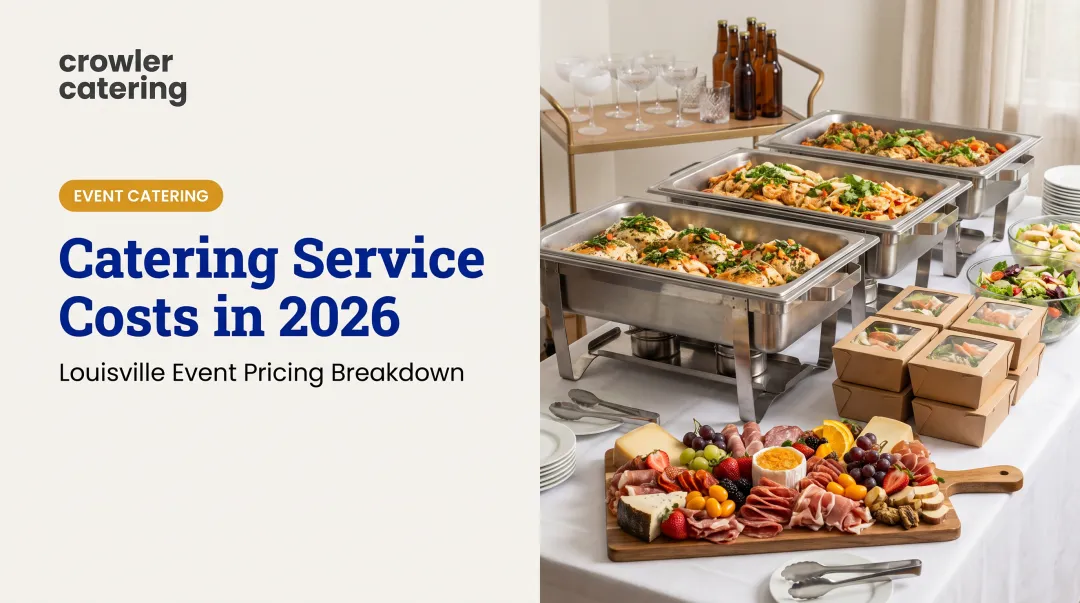
Buffet service is a self-serve format where guests choose from multiple dishes displayed on serving tables, allowing them to customize portions and selections. It offers maximum variety, accommodates diverse dietary needs, and creates a relaxed atmosphere that encourages mingling. That mix makes buffet a strong fit for corporate gatherings, casual weddings, and large social events.
Core Benefits of Buffet Service
Buffet service stands out for a few practical reasons:
- Lower labor cost: Fewer servers than plated meals, with more menu variety—often the economical pick for 50+ guests
- Guest control: Diners set their own portions and choices, which helps with dietary needs and second helpings plated service can’t match
- Flexible pacing: Guests eat on their own schedule, so late arrivals and networking-heavy agendas are easier to absorb
Common Buffet Variations
Buffets aren’t limited to one cafeteria-style line:
- Single-sided vs. double-sided lines: Pull the table off the wall so guests can serve from both sides and clear large groups faster
- Stationed buffets: Spread food across carving, taco, pasta, or similar stations to cut congestion and add variety
- Action stations: Chef-attended omelet, carving, or made-to-order taco spots add theater and customization
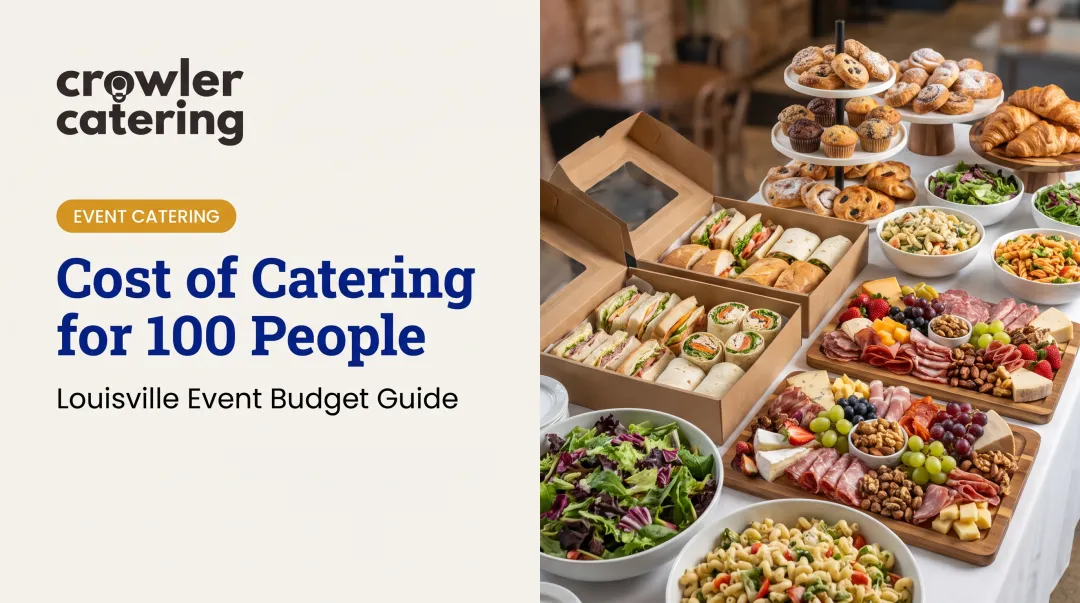
- Grazing tables: Charcuterie, cheeses, fruits, and crackers staged for casual cocktail-hour service

Use Cases for Buffet Service
Buffet service fits best for:
- Large corporate gatherings: Company holiday parties, employee mixers, and workshops where employees from different departments should network
- Casual weddings: Receptions with diverse guest ages and food preferences where variety matters more than formal presentation
- Fundraisers and community events: Gatherings where movement and interaction support the event's social or networking goals
- Backyard celebrations: Informal settings where guests serve themselves and mingle freely
One PCMA report on business events found that 42% of buffet-prepared food went uneaten across six conferences serving 20,000 meals. Accurate headcounts and portion planning matter as much as the format you choose.
What is Plated Service?
Plated service delivers individually prepared meals to seated guests, much like a restaurant dinner. Waitstaff bring each course to the table, usually two to four courses with composed plates.
The format feels formal and controlled: every guest is served at the same pace, and presentation stays consistent in a way buffet lines rarely match.
Core Benefits of Plated Service
Hosts often choose plated service when they want structure and a polished room:
- Raises the formality of the meal with composed plates and full table service
- Fits black-tie galas, awards dinners, and upscale weddings that need a refined seated experience
- Cuts waste with pre-set portions and accurate headcounts
- Keeps speeches, toasts, and program cues on schedule because guests stay seated
- Handles gluten-free, vegan, and allergen meals as separate plated dishes, which limits cross-contact risk
Variations in Plated Service
Plated formats vary in complexity and choice:
- Single entrée: Everyone receives the same main course, which simplifies kitchen timing
- Dual entrée or duet plate: Two proteins on one plate (for example, filet and lobster tail) without taking orders at the table
- Pre-selected menu: Guests pick an entrée on the RSVP so the kitchen can order exact counts
- Coursed service: Appetizer, soup or salad, entrée, and dessert arrive in sequence

Use Cases for Plated Service
Plated service fits best for:
- Formal weddings: Seated dinners where presentation and pacing matter as much as the food
- Black-tie galas and awards dinners: Programs with speeches, auctions, or timed cues that need a quiet, seated room
- Intimate dinner parties: Groups under about 50, where full table service still feels personal
- Corporate dinners with presentations: Business meals where speakers need guests seated and focused
If your event runs on a fixed program and you want every plate to look intentional, plated service is usually the strongest fit.
What is Family-Style Service?
Family-style service delivers large platters and bowls of food to each table, where guests serve themselves and pass dishes around, combining elements of both plated and buffet formats. It is more social than plated service and more seated than a buffet line—a practical middle ground for hosts who want sharing without a full buffet.
Core Benefits of Family-Style Service
- Intimacy and connection: Passing dishes sparks conversation, breaks the ice between guests who don’t know each other, and builds a communal table. Family-style dinners are a rising trend tied to renewed demand for in-person connection.
- Variety without lines: Guests get buffet-like choice and seconds without leaving their seats or standing in line.
- Balanced formality: More polished than buffet, more relaxed than plated—strong for semi-formal weddings and gatherings that want elevated presentation without stuffiness.
Family-Style Considerations
Family-style service requires planning:
- Equipment needs: Platters, bowls, and serving utensils for each dish at every table, which can raise rental costs
- Table space: Best with round tables that fit shared dishes plus place settings
- Service coordination: Tables should be served at the same time so no group waits while others eat
- Guest comfort: Some guests dislike sharing platters with strangers, so pre-seat familiar groups when you can

Use Cases for Family-Style Service
Family-style service fits best for:
- Intimate weddings: Receptions with 30–100 guests where table conversation and warmth are priorities
- Rehearsal dinners: Pre-wedding gatherings where families and wedding parties bond over shared meals
- Family reunions and holiday dinners: Events where sharing food is culturally meaningful and expected
- Corporate retreat dinners: Team-building events where interaction and camaraderie matter more than formality
Choose family-style when connection at the table matters as much as the menu itself.
Which Service Style Is Right for Your Event?
Choosing the right service style depends on your event type, guest count, budget, venue space, desired formality, and timing requirements.
Budget Considerations
Buffet: Often the most economical per guest due to lower staffing requirements (1 server per 30–40 guests), though larger food quantities and buffet equipment are needed. Buffet is ideal for tight budgets and guest counts over 50.
Plated: Typically costs more per guest due to higher staffing needs (1 server per 15 guests), but precise portion control and reduced food waste can offset labor costs. Choose plated if your budget allows for a premium, controlled experience.
Family-style: Falls between buffet and plated, with moderate staffing and additional rental costs for serving dishes and platters. Choose it when you want a shared-table feel without full plated labor costs.
For accurate pricing, request itemized Louisville quotes that separately state food, service labor, rentals, setup, and cleanup—national averages rarely reflect local costs.
Guest Count and Venue Space
Guest count guidelines:
- Buffet: Works well for 50–200+ guests; larger groups benefit from stationed buffets or double-sided lines
- Plated: Efficient for any size, especially under 100 guests where synchronized table service is manageable
- Family-style: Best for 20–150 guests where coordination across tables is feasible
Space requirements:
- Buffet: Needs room for serving tables, guest flow, and traffic patterns; consider circular or dual-sided layouts for large groups
- Plated: Minimal space required; guests remain seated throughout the meal
- Family-style: Requires adequate table space for shared platters and individual place settings; round tables work best
Event Formality and Guest Experience Goals
Formality decision guide:
- Black-tie or formal events: Choose plated service for elegant presentation and individual attention
- Casual or semi-formal gatherings: Buffet or family-style offer relaxed, approachable service
- Intimate, conversational events: Family-style fosters interaction and warmth
Timing considerations:
- Plated service: Allows controlled pacing for speeches, toasts, or programs
- Buffet service: Flexible timing—guests eat at their own pace, but build in extra time before speeches so everyone can get through the line
- Family-style service: Needs coordinated drop-off so tables are served together, then allows natural conversation flow
Hybrid Approaches and Customization
Mixing service styles can balance formality, variety, and cost:
- Plated first course + buffet main course: Guests enjoy seated, elegant appetizers before moving to a buffet for variety
- Buffet appetizers + plated dinner: Encourages mingling during cocktail hour, then transitions to formal seated service
- Family-style with plated dessert: Communal main courses followed by individually plated, artfully presented desserts
A local caterer can blend these formats course by course so service matches your venue, timeline, and budget—whether that means a seated start, a buffet main, or family-style platters with a plated finish.

Real World Example: Louisville Wedding Chooses Family-Style for Intimate Feel
A Louisville couple planning an 80-person wedding at a local garden venue wanted an elegant feel without stuffiness. They also needed to hit a few practical goals:
- Accommodate vegetarian and gluten-free guests
- Stay on a moderate budget
- Help guests from both families interact and feel connected
After consulting with their catering team, they chose family-style service. The menu featured three protein options—bourbon-glazed ham, brined chicken, and seared flank steak—alongside seasonal roasted vegetables, smashed red potatoes, and fresh salads. Vegetarian and gluten-free dishes went on every table, so no one felt excluded or had to ask for a special plate.
Guests liked passing platters and talking across the table, and no one left hungry. Service moved on schedule, which left time for toasts, cake cutting, and dancing. Family-style gave the couple the warmth and conversation they wanted while still looking polished on the plate.
Practical takeaway: If guest connection matters more than formality, choose family-style or a hybrid setup and build dietary options into every table from the start.
If you're planning an event in the Louisville area, Crowler Catering can match the service style to your vision and budget.
From casual buffets and grazing stations to family-style dinners, their team handles creative food, award-winning mobile bar service, and on-site coordination for weddings, corporate events, and private gatherings across Greater Louisville.
Conclusion
There's no universally "best" service style. The right choice depends on your event goals, guest profile, budget, and venue.
Each format brings different strengths:
- Buffet: variety, guest movement, and lower labor cost for large casual gatherings
- Plated: elegance, portion control, and steady timing when the schedule is tight
- Family-style: shared platters that spark conversation and a more communal table
Weigh formality, budget, headcount, venue space, and how much you want guests to mingle versus stay seated. Match those factors to each style—or blend formats when a hybrid serves the event better.
An experienced catering team in the Greater Louisville area can walk you through the tradeoffs and build a dining setup that fits your event.
Frequently Asked Questions
What is a buffet-style service?
Buffet-style service is a self-serve format where guests choose from multiple dishes on serving tables. Buffet-style service is a self-serve format where guests choose from multiple dishes on serving tables. Guests control portions and selections, which also encourages movement and mingling.
What are the main types of buffet-style service?
Common formats include single- or double-line buffets, multi-station setups, action stations (carving or omelet bars), and grazing or charcuterie tables.
What is a buffet-style menu?
A buffet-style menu usually offers 5–8+ dishes—proteins, starches, vegetables, and salads—set out for self-service. That spread typically gives more variety than a plated menu.
Which is more expensive: buffet or plated service?
Plated service usually costs more per guest because of higher staffing (about 1 server per 15 guests vs. 1 per 30–40 for buffet). Buffets need more food volume, so ask for itemized quotes to compare true cost.
How many guests is best for family-style service?
Family-style works best for 20–150 guests where intimate table conversation is valued, as it requires coordination to serve all tables simultaneously and adequate table space for passing platters.
Can you mix different service styles at one event?
Yes. Common hybrids include buffet appetizers with a plated dinner, a plated first course with buffet entrees, or family-style mains with plated desserts.